How Much is a 1.5 Carat Lab Grown Diamond?

The shift toward lab-grown diamonds has completely restructured the fine jewelry industry, giving consumers direct access to larger, higher-purity gemstones at a fraction of historic costs. Among all available dimensions, the 1.5 carat weight has emerged as a premier standard. It offers an impressive visual surface area on the hand while maintaining ideal depth and proportions. However, modern buyers and retail jewelers alike often struggle to calculate the real production and retail costs behind these gemstones.

Understanding the true price of a 1.5 carat lab grown diamond requires looking past traditional retail markups and examining how chemical growth, precision cutting, and custom setting assembly directly dictate the final price.
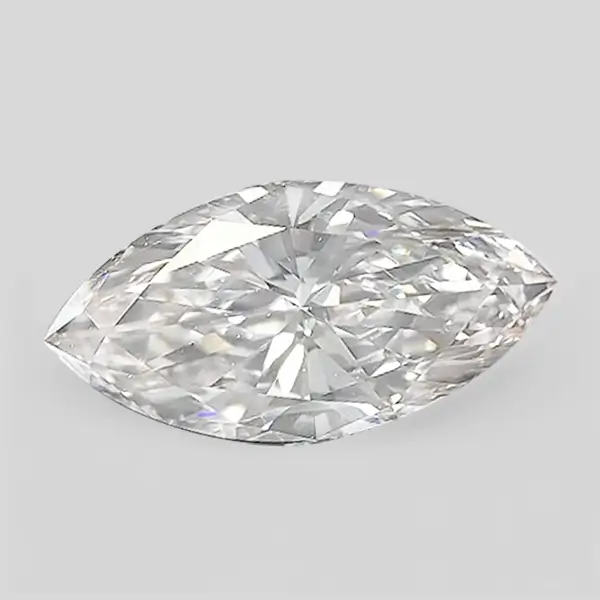

The True Cost Breakdown of a 1.5 Carat Loose Lab Grown Diamond

To understand pricing, one must look directly at the primary source: lab grown diamonds direct from manufacturer pipelines. At the primary production stage, high-purity chemical vapor deposition (CVD) or high-pressure high-temperature (HPHT) methods grow diamond rough over several weeks.

The raw cost to grow, precision-cut, polish, and certify a high-grade 1.5 carat loose diamond (D-F color, VS1+ clarity) ranges from $300 to $700 at the wholesale manufacturing level. Once these stones enter consumer supply chains, standard pricing dynamics settle into predictable ranges:

  • Wholesale Manufacturing Cost: $300 – $700 (Loose stone)
  • Direct-to-Consumer Loose Price: $650 – $1,200
  • Traditional Retailer Price: $1,500 – $3,200

Because manufacturing efficiencies continue to improve, the cost per carat for lab-grown gems remains tied strictly to machine run-time, technical skill, and quality control rather than artificial geological scarcity.

+-----------------------------------------------------------------------+
|                 1.5 Carat Loose Lab Diamond Price Ladder               |
+-----------------------------------------------------------------------+
|  Wholesale Factory Cost   |  $300 - $700                              |
|  Direct Manufacturer Sale |  $650 - $1,200                            |
|  Traditional Retail Shop  |  $1,500 - $3,200                          |
+-----------------------------------------------------------------------+

Total Pricing for Complete Ring Settings

A loose diamond requires a mount to become finished jewelry. When calculating the complete cost for a 1.5 carat lab grown diamond ring, setting materials and bench labor must be added to the base stone price.

         Loose Diamond ($650 - $1,200) 
                       +
         Setting & Metal ($400 - $1,500) 
                       +
         Assembly & Polish ($150 - $350)
                       =
 Total Finished Ring Cost: $1,200 - $3,050 (Direct Pricing)
  1. Metal Content: A standard solitaire setting in 14K white, yellow, or rose gold typically adds $400 to $700. Platinum or intricate halo/pave designs increase setting costs to $800–$1,500.
  2. Bench Work and Casting: Custom CAD modeling, precious metal casting, setting the center stone, and hand-polishing add approximately $150 to $350 in specialized labor.

Consequently, purchasing a complete finished ring directly from a manufacturing facility generally totals between $1,200 and $3,050 for a premium-grade piece, compared to retail store quotes that frequently exceed $4,500.


The Oval Advantage: Dimensions and Value Analysis

Shape selection plays a major role in both price and visual appearance. Modern buyers increasingly prefer elongated fancy shapes over traditional round brilliant cuts. A 1.5 carat oval lab diamond ring represents one of the highest-value choices available on the market today.

Diamond ShapeAvg. Dimensions (1.5 Ct)Visual FootprintManufacturing Efficiency
Round Brilliant~7.3 mm x 7.3 mmBaselineLower (Higher rough weight loss)
Oval Cut~9.0 mm x 6.2 mm+10% to 15% Larger LookHigher (Better rough yield)
Emerald Cut~7.5 mm x 5.5 mmSleek / ElongatedHigh yield, strict clarity needs

Because oval shapes optimize the original yield of the grown diamond rough, yield loss during the cutting process is significantly minimized compared to round brilliants. Furthermore, the elongated ratio (typically 1.35 to 1.45) distributes weight across the top surface, giving a 1.5 carat oval stone the visual presence of a 1.70+ carat round diamond while remaining more cost-effective to produce.
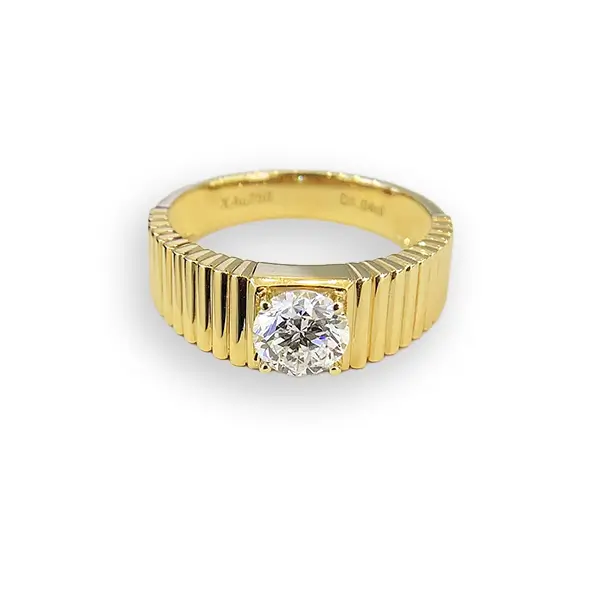

Supply Chain Transparency: Skipping Retail Markups

The traditional diamond supply chain passes through multiple intermediaries—growers, rough brokers, cutters, polishers, regional distributors, and boutique retailers. Each tier adds an overhead markup ranging from 30% to 100%.

Traditional Chain: 
[ Factory ] ➔ [ Broker ] ➔ [ Polisher ] ➔ [ Distributor ] ➔ [ Retail Store ] ➔ [ Consumer ]
(Total Markup: 300% - 500%)

Direct Manufacturer Model:
[ Factory / Polisher ] --------------------------------------------➔ [ Consumer ]
(Total Markup: 30% - 50%)

Working with established lab grown diamond jewelry manufacturers eliminates middlemen. Vertically integrated facilities handle the entire lifespan of the piece in-house: growing carbon crystals, cutting facets, casting precious metals, setting stones, and issuing independent lab certifications (such as IGI or GIA). This streamlined approach ensures strict quality management while delivering factory-direct pricing to the end customer.


Essential Technical Factors to Check Before Purchasing

When buying a 1.5 carat lab-grown stone, structural quality determines long-term beauty and light performance. Always verify the following manufacturing technicalities:

  • Growth Method (CVD vs. HPHT): CVD (Chemical Vapor Deposition) produces exceptional clarity without metallic inclusions. Ensure CVD stones are certified “As Grown” to avoid post-growth heat treatments that can induce subtle milky undertones.
  • Color and Clarity Sweet Spot: For maximum value, select F or G Color paired with VS1 or VS2 Clarity. Higher grades (D color, VVS1) command premium prices without offering noticeable visual differences to the naked eye.
  • Cut Proportions: Cut grade dictates brilliance. Always require an “Ideal” or “Excellent” cut grade with depth percentages between 59% and 63% and table percentages between 54% and 60%.
  • Certification: Verify that the stone carries an independent certificate from IGI or GIA confirming its physical properties and origin.

By sourcing directly from primary producers, buyers secure an ethically grown, optically identical 1.5 carat diamond ring crafted to strict gemological standards—at a fraction of traditional luxury retail pricing.
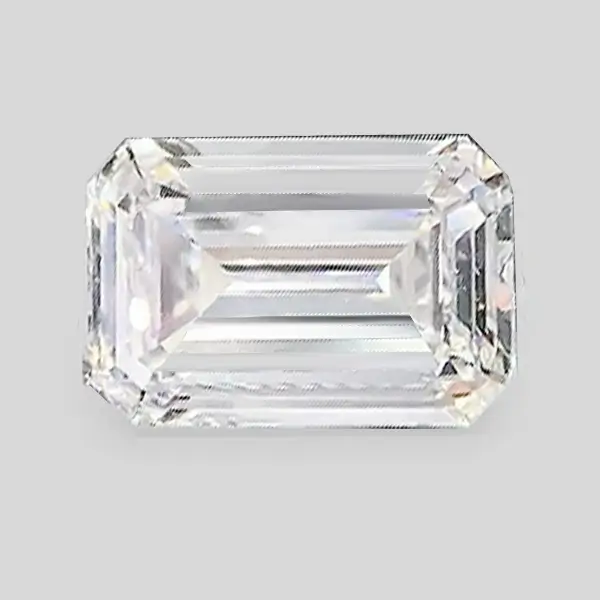
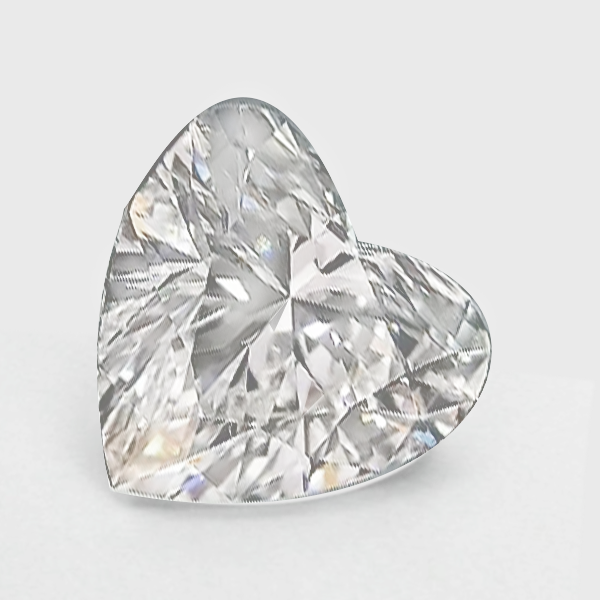
1 Carat Lab Grown Diamonds in 2026

As leading lab grown diamond jewelry manufacturers, we have witnessed explosive market demand for medium-sized polished diamonds, among which 1 carat styles stand out as the most sought-after specification for both retail jewelry and bulk wholesale orders. Consumers and bulk buyers worldwide are increasingly focused on how much is a 1 carat lab grown diamond, as well as the genuine value behind factory direct supply, avoiding the inflated markup of traditional retail channels. This article provides a comprehensive manufacturer-oriented analysis of 1 carat lab grown diamond price composition, product applications, direct supply advantages, and industry development rules to help buyers make cost-effective and professional purchasing decisions.

2026 Manufacturer Price Composition of 1 Carat Lab Grown Diamonds

Unlike natural diamonds with unstable mining costs and rigid brand premium pricing, the pricing system of lab grown diamonds is transparent and standardized, completely controlled by production technology, craftsmanship parameters, and scale production efficiency. After years of technological iteration and large-scale production upgrading, the overall price of lab grown diamonds has maintained a steady downward trend from 2020 to 2026, while product quality has been continuously improved. From the core cost structure of manufacturers, the pricing of 1 carat lab grown diamonds mainly includes four parts: raw crystal growth cost, cutting and polishing processing cost, quality certification cost, and factory operation overhead.

In 2026, the wholesale factory price of high-quality 1 carat lab grown diamond loose stones ranges from $400 to $1,500, with specific prices fluctuating according to the international 4C standard. For conventional G-H color, VS-VVS clarity, and excellent cut 1 carat loose diamonds, the direct factory wholesale price is maintained at $500-$800; for high-end D-E color, flawless clarity, and 3EX perfect cut certified stones, the price is between $900-$1,500. It is worth noting that this factory direct price is nearly 80% lower than the retail price of similar natural diamonds, and 30%-50% lower than the market retail price of branded lab grown diamonds. The core reason for the huge price gap is that traditional retail channels add multiple layers of agent markup, store operating costs, and brand premium, while manufacturers eliminate intermediate links and achieve lab grown diamonds direct from manufacturer zero-markup supply.

From the production perspective, HPHT and CVD are the two mainstream production technologies for 1 carat lab grown diamonds. HPHT technology is more mature in mass production of medium and large carat diamonds with lower unit power consumption cost, suitable for bulk wholesale orders; CVD technology produces diamonds with purer color and fewer inclusions, which is more popular in high-end customized jewelry. At present, the yield rate of 1 carat high-quality polished diamonds in our factory has increased to more than 75%, which further reduces the average production cost and stabilizes the competitive pricing advantage in the global market.

Mainstream Application Scenarios: 1 Carat Lab Grown Diamond Earrings and Fine Jewelry

As the most versatile and popular carat specification in the consumer market, 1 carat lab grown diamonds are widely used in rings, pendants, bracelets and other jewelry, among which 1 carat lab grown diamond earrings have become the best-selling category in cross-border wholesale and retail customization in 2026. Different from inlaid rings that have high requirements for stone fluorescence and symmetry, diamond earrings have moderate tolerance for individual stone parameters, balancing beauty and cost performance perfectly, making them the preferred choice for daily wear jewelry and holiday gift sets.

From the manufacturer’s product design and production experience, mainstream 1 carat lab grown diamond earrings on the market adopt classic four-prong and six-prong inlay craftsmanship, with round brilliant cut diamonds as the main stone, which maximizes the fire and brightness of lab grown diamonds. Our factory supports diversified customization, including platinum, 18K gold, silver inlay and other material options, and can adjust diamond color, clarity and cutting parameters according to customer positioning. For mass wholesale customers such as jewelry retailers and cross-border e-commerce sellers, we provide standardized finished earring products with IGI international certification, stable quality and unified specifications, which can be directly put on shelves for sales; for high-end customized customers, we support personalized cutting and inlay design to meet high-end market demand.

In terms of market sales data, 1 carat lab grown diamond earrings have achieved a high repurchase rate in the global market in recent two years. Their affordable price, exquisite appearance and eco-friendly production concept cater to the consumption demand of young consumers pursuing cost performance and sustainable fashion. Compared with natural diamond earrings of the same specification, factory direct-sale 1 carat lab grown diamond earrings save consumers more than 70% of the purchase cost, becoming the mainstream explosive product in the mid-end fine jewelry market.

Core Advantages of Purchasing Directly From Lab Grown Diamond Manufacturers

Most buyers are confused by the chaotic price system of lab grown diamonds in the market, and the fundamental solution is to cooperate with professional lab grown diamond jewelry manufacturers to realize direct factory procurement. As a professional manufacturer integrating R&D, production, processing and sales, we summarize three core advantages of direct factory supply for 1 carat lab grown diamonds.

First, transparent pricing and no hidden costs. All 1 carat lab grown diamond products adopt standardized 4C pricing, with clear quotations for loose stones and finished jewelry of different parameters. There is no intermediate agent markup, and bulk orders can enjoy hierarchical preferential policies, which effectively reduces the procurement cost for buyers. Second, stable quality and complete certification. All factory-produced 1 carat lab grown diamonds are screened layer by layer from raw crystal growth, cutting and polishing to finished product inspection, and are equipped with authoritative IGI or GIA certification, ensuring consistent product quality and supporting global authoritative inspection.

Third, flexible production and sufficient supply. With automated production equipment and mature production lines, manufacturers can stably supply thousands of pieces of 1 carat high-quality lab grown diamond loose stones and finished jewelry every month, fully meeting the needs of small-batch customized retail and large-batch wholesale orders. In addition, professional manufacturers can provide one-stop supporting services such as product design, inlay processing, packaging customization and after-sales inspection, helping buyers simplify the procurement process and improve operational efficiency.

2026 Market Trend and Purchasing Suggestions for 1 Carat Lab Grown Diamonds

With the continuous upgrading of global lab grown diamond production technology and the continuous expansion of production capacity, the market price of 1 carat lab grown diamonds will remain stable and slightly downward in the second half of 2026, and the product quality will be further optimized. The market will gradually eliminate low-quality small workshops with unstable technology, and formal manufacturers with standardized production and complete certification will become the mainstream of market supply.

For individual consumers who want to buy 1 carat lab grown diamond jewelry, it is recommended to choose factory direct sales channels to avoid paying excessive brand premium, and prioritize certified products with complete parameter information to ensure product authenticity and quality. For bulk wholesale buyers, long-term cooperation with professional lab grown diamond jewelry manufacturers can lock in stable preferential prices and stable supply capacity, which is more conducive to long-term market operation and profit improvement.

In conclusion, 1 carat lab grown diamonds have absolute cost performance and market advantages in the current jewelry market. Understanding the real factory price, product application scenarios and direct supply advantages can help every buyer avoid market traps and obtain high-quality lab grown diamond products with the most reasonable budget. As the industry continues to mature, factory direct supply will become the mainstream trading mode of lab grown diamonds, bringing more transparent and high-quality consumption and procurement experiences to the global market.