How Much is a 1.5 Carat Lab Grown Diamond?
The shift toward lab-grown diamonds has completely restructured the fine jewelry industry, giving consumers direct access to larger, higher-purity gemstones at a fraction of historic costs. Among all available dimensions, the 1.5 carat weight has emerged as a premier standard. It offers an impressive visual surface area on the hand while maintaining ideal depth and proportions. However, modern buyers and retail jewelers alike often struggle to calculate the real production and retail costs behind these gemstones.
Understanding the true price of a 1.5 carat lab grown diamond requires looking past traditional retail markups and examining how chemical growth, precision cutting, and custom setting assembly directly dictate the final price.
The True Cost Breakdown of a 1.5 Carat Loose Lab Grown Diamond
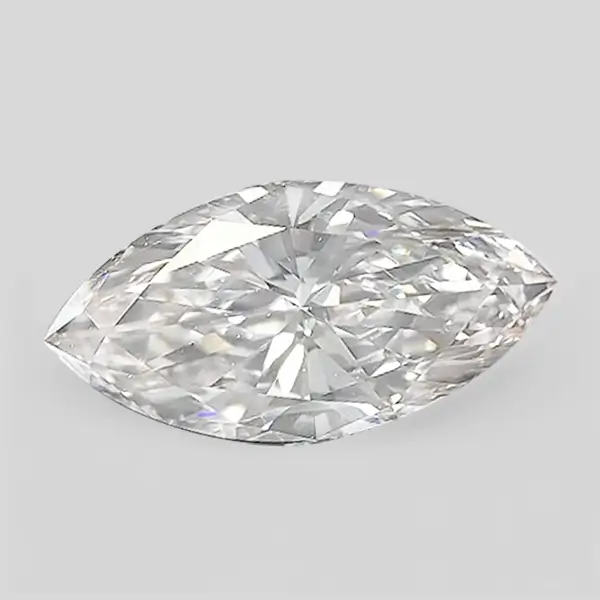
To understand pricing, one must look directly at the primary source: lab grown diamonds direct from manufacturer pipelines. At the primary production stage, high-purity chemical vapor deposition (CVD) or high-pressure high-temperature (HPHT) methods grow diamond rough over several weeks.
The raw cost to grow, precision-cut, polish, and certify a high-grade 1.5 carat loose diamond (D-F color, VS1+ clarity) ranges from $300 to $700 at the wholesale manufacturing level. Once these stones enter consumer supply chains, standard pricing dynamics settle into predictable ranges:
- Wholesale Manufacturing Cost: $300 – $700 (Loose stone)
- Direct-to-Consumer Loose Price: $650 – $1,200
- Traditional Retailer Price: $1,500 – $3,200
Because manufacturing efficiencies continue to improve, the cost per carat for lab-grown gems remains tied strictly to machine run-time, technical skill, and quality control rather than artificial geological scarcity.
+-----------------------------------------------------------------------+
|                 1.5 Carat Loose Lab Diamond Price Ladder               |
+-----------------------------------------------------------------------+
|  Wholesale Factory Cost   |  $300 - $700                              |
|  Direct Manufacturer Sale |  $650 - $1,200                            |
|  Traditional Retail Shop  |  $1,500 - $3,200                          |
+-----------------------------------------------------------------------+
Total Pricing for Complete Ring Settings
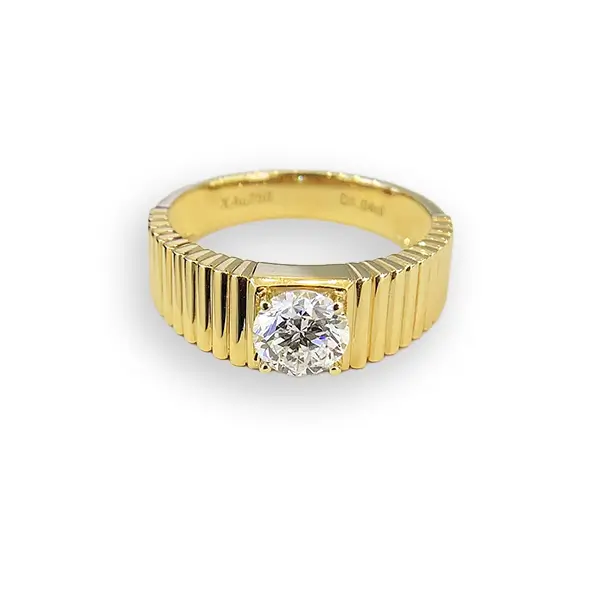
A loose diamond requires a mount to become finished jewelry. When calculating the complete cost for a 1.5 carat lab grown diamond ring, setting materials and bench labor must be added to the base stone price.
         Loose Diamond ($650 - $1,200)
                       +
         Setting & Metal ($400 - $1,500)
                       +
         Assembly & Polish ($150 - $350)
                       =
 Total Finished Ring Cost: $1,200 - $3,050 (Direct Pricing)
- Metal Content: A standard solitaire setting in 14K white, yellow, or rose gold typically adds $400 to $700. Platinum or intricate halo/pave designs increase setting costs to $800–$1,500.
- Bench Work and Casting: Custom CAD modeling, precious metal casting, setting the center stone, and hand-polishing add approximately $150 to $350 in specialized labor.
Consequently, purchasing a complete finished ring directly from a manufacturing facility generally totals between $1,200 and $3,050 for a premium-grade piece, compared to retail store quotes that frequently exceed $4,500.
The Oval Advantage: Dimensions and Value Analysis
Shape selection plays a major role in both price and visual appearance. Modern buyers increasingly prefer elongated fancy shapes over traditional round brilliant cuts. A 1.5 carat oval lab diamond ring represents one of the highest-value choices available on the market today.
| Diamond Shape | Avg. Dimensions (1.5 Ct) | Visual Footprint | Manufacturing Efficiency |
|---|---|---|---|
| Round Brilliant | ~7.3 mm x 7.3 mm | Baseline | Lower (Higher rough weight loss) |
| Oval Cut | ~9.0 mm x 6.2 mm | +10% to 15% Larger Look | Higher (Better rough yield) |
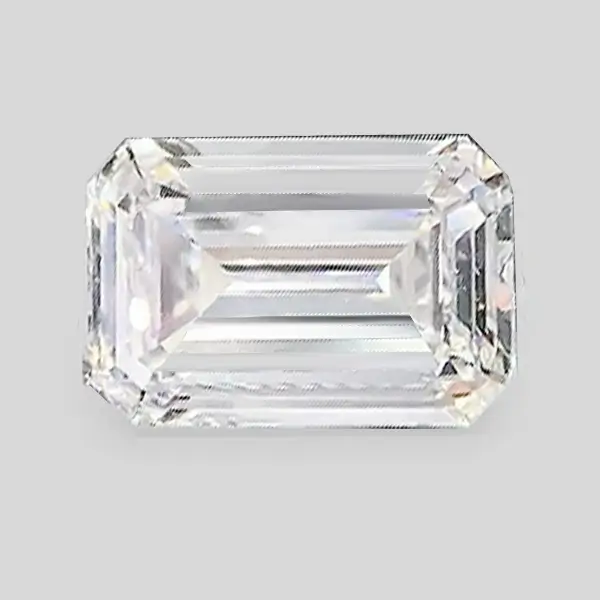
| Emerald Cut | ~7.5 mm x 5.5 mm | Sleek / Elongated | High yield, strict clarity needs |
Because oval shapes optimize the original yield of the grown diamond rough, yield loss during the cutting process is significantly minimized compared to round brilliants. Furthermore, the elongated ratio (typically 1.35 to 1.45) distributes weight across the top surface, giving a 1.5 carat oval stone the visual presence of a 1.70+ carat round diamond while remaining more cost-effective to produce.
Supply Chain Transparency: Skipping Retail Markups
The traditional diamond supply chain passes through multiple intermediaries—growers, rough brokers, cutters, polishers, regional distributors, and boutique retailers. Each tier adds an overhead markup ranging from 30% to 100%.
Traditional Chain:
[ Factory ] ➔ [ Broker ] ➔ [ Polisher ] ➔ [ Distributor ] ➔ [ Retail Store ] ➔ [ Consumer ]
(Total Markup: 300% - 500%)

Direct Manufacturer Model:
[ Factory / Polisher ] --------------------------------------------➔ [ Consumer ]
(Total Markup: 30% - 50%)
Working with established lab grown diamond jewelry manufacturers eliminates middlemen. Vertically integrated facilities handle the entire lifespan of the piece in-house: growing carbon crystals, cutting facets, casting precious metals, setting stones, and issuing independent lab certifications (such as IGI or GIA). This streamlined approach ensures strict quality management while delivering factory-direct pricing to the end customer.
Essential Technical Factors to Check Before Purchasing
When buying a 1.5 carat lab-grown stone, structural quality determines long-term beauty and light performance. Always verify the following manufacturing technicalities:
- Growth Method (CVD vs. HPHT): CVD (Chemical Vapor Deposition) produces exceptional clarity without metallic inclusions. Ensure CVD stones are certified “As Grown” to avoid post-growth heat treatments that can induce subtle milky undertones.
- Color and Clarity Sweet Spot: For maximum value, select F or G Color paired with VS1 or VS2 Clarity. Higher grades (D color, VVS1) command premium prices without offering noticeable visual differences to the naked eye.
- Cut Proportions: Cut grade dictates brilliance. Always require an “Ideal” or “Excellent” cut grade with depth percentages between 59% and 63% and table percentages between 54% and 60%.
- Certification: Verify that the stone carries an independent certificate from IGI or GIA confirming its physical properties and origin.
By sourcing directly from primary producers, buyers secure an ethically grown, optically identical 1.5 carat diamond ring crafted to strict gemological standards—at a fraction of traditional luxury retail pricing.